
Choosing the right web development stack is one of the most important decisions a business can make when launching or scaling a digital product. Whether you’re building a simple website, a complex web application, or an e-commerce platform, the technology stack you choose will impact performance, scalability, cost, and how easily your team can maintain and improve your product over time.
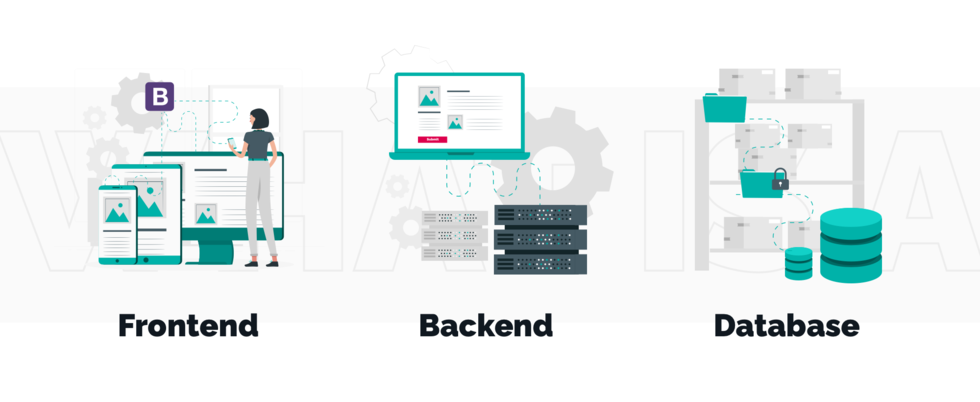
A web development stack typically includes both frontend (client-side) and backend (server-side) technologies, along with a database and hosting infrastructure. The frontend is what users interact with—built with tools like HTML, CSS, and JavaScript frameworks such as React, Angular, or Vue.js. The backend handles the logic, database operations, and server communication, using technologies like Node.js, Python, PHP, Ruby on Rails, or Java. A well-chosen tech stack ensures all these components work together smoothly to deliver a fast, secure, and reliable user experience.
Your business goals should always guide your stack decisions. Are you trying to launch quickly and validate an idea? Then a lightweight, easy-to-deploy stack like Firebase with a frontend framework may be ideal. Are you building a large-scale platform expecting high traffic and frequent feature updates? Then you’ll need a robust, scalable backend like Node.js or Django, paired with cloud infrastructure such as AWS or Google Cloud.
Security, performance, and cost-efficiency are also critical. Some stacks come with built-in security features or better performance optimization. Others may offer faster development but higher long-term maintenance costs. It’s important to strike the right balance based on your current needs and future growth plans.
Ultimately, selecting the right web development stack is not just a technical decision—it’s a strategic one. When done right, it lays a strong foundation for your digital product to grow alongside your business, adapt to market changes, and deliver long-term value to your customers.